
Surgical Facilities
Why Infection Prevention Matters
VSV Surgical Infection Prevention Strategies
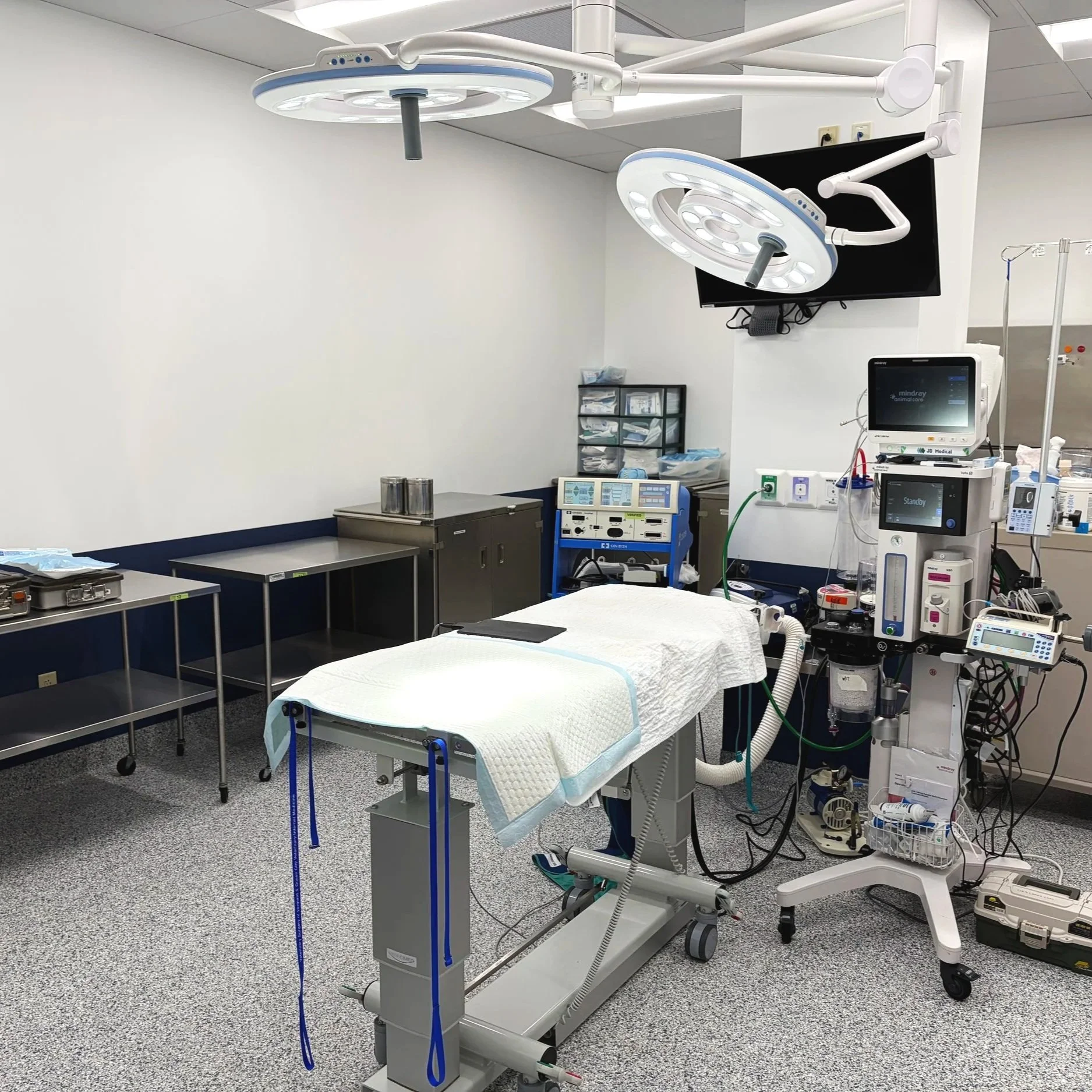
VSV utilizes dedicated operating rooms equipped with multiple layers of infection prevention measures, including:
HEPA filtration systems that continuously remove airborne particles and contaminants.
Positive pressure ventilation, which helps prevent unfiltered air from entering the operating room when doors are opened.
Traffic control protocols that minimize unnecessary personnel movement and reduce contamination risks.
Strict surgical attire requirements, including dedicated surgical scrubs, caps, masks, and shoe covers.
Comprehensive environmental cleaning and disinfection protocols performed before and after surgical procedures.
Dedicated surgical workflows designed to maintain a controlled and sterile environment throughout every procedure.
These measures work together to reduce bacterial contamination within the operating room and support the safest possible environment for patients undergoing surgery.
Surgical site infections (SSIs) are among the most serious complications that can occur following surgery. While relatively uncommon, when infections develop they can have significant consequences for patients, families, and veterinary hospitals.
For patients, surgical site infections can result in pain, delayed healing, implant failure, additional surgical procedures, prolonged recovery times, and, in severe cases, permanent loss of function or life-threatening illness. Orthopedic procedures are particularly vulnerable because bacteria can adhere to implants and form biofilms that are difficult to eliminate without additional surgery.
For pet owners, postoperative infections often lead to substantial additional costs. Treatment may require advanced diagnostics, prolonged antibiotic therapy, repeated anesthesia, implant removal, revision surgery, extended hospitalization, and additional rehabilitation. These unexpected expenses can significantly increase the overall cost of care.
From an outcome perspective, infection is one of the most devastating complications in surgery. Even when successfully treated, infections can compromise healing, reduce the likelihood of achieving the desired surgical outcome, and prolong a patient's return to normal activity. Because of these financial, patient, and outcome-related consequences, infection prevention is a critical priority in modern surgical practice.
The Role of Surgical Facilities in Infection Prevention
Preventing surgical site infections requires far more than sterile instruments and careful surgical technique. Modern infection prevention relies on a comprehensive approach that includes facility design, air handling systems, personnel practices, traffic control, environmental cleaning, and strict adherence to surgical protocols.
In human healthcare, operating room design and infection control standards have evolved over decades to minimize the introduction of airborne and environmental contaminants into the surgical environment. Research has demonstrated that controlling airborne particles and limiting unnecessary movement and traffic within the operating room can reduce bacterial contamination and help lower infection risk.
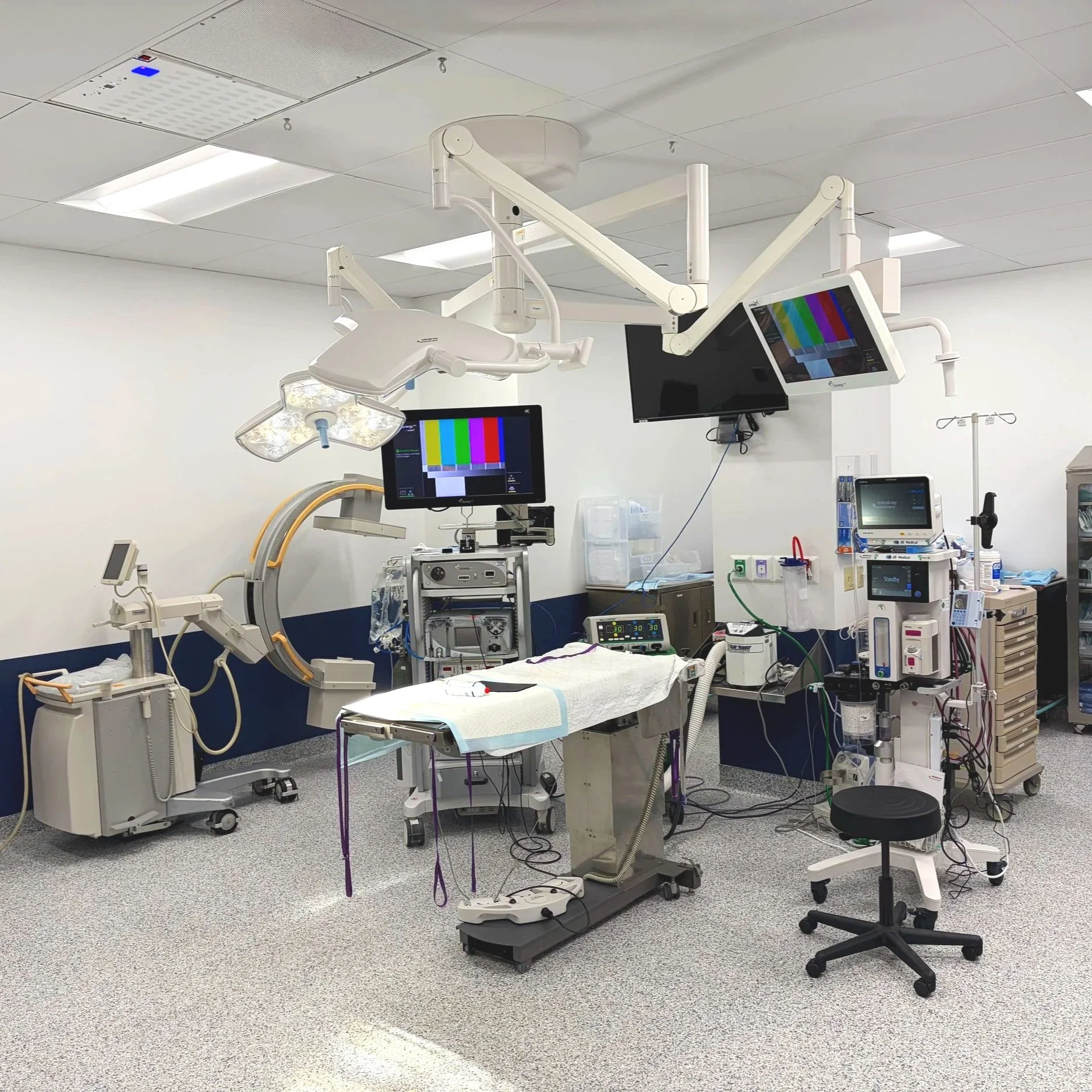
At Veterinary Surgery of Vermont (VSV), we have incorporated these evidence-based principles into our surgical facilities and protocols. Our operating rooms were specifically designed with infection prevention as a primary objective and follow recommendations commonly employed in human surgical facilities.
Veterinary Surgery and the Lack of Facility Regulation
Unlike human hospitals, veterinary hospitals are not subject to comprehensive regulations governing operating room design, ventilation systems, airflow management, or infection control infrastructure. There are currently no universally enforced standards requiring veterinary operating rooms to incorporate features such as HEPA filtration, positive pressure ventilation, traffic control systems, or specialized operating room construction.
As a result, many veterinary operating rooms were originally designed as procedure rooms rather than true surgical suites. While excellent surgical care can be delivered in many settings, the physical environment in many veterinary facilities lacks infection prevention features that are standard in human operating rooms.
This is particularly relevant for orthopedic procedures involving implants, where postoperative infection can be especially difficult and costly to treat. Across veterinary medicine, many orthopedic surgeries continue to be performed in operating rooms that do not utilize advanced air handling systems, positive pressure ventilation, formal traffic control measures, or other infection prevention strategies commonly employed in human surgical facilities.
The absence of these infection control measures may increase the risk of bacterial contamination during surgery, potentially contributing to a higher risk of postoperative infection. When infection occurs, patients may require additional procedures, extended recovery periods, prolonged medication use, and substantially increased treatment costs.
Our Commitment
At Veterinary Surgery of Vermont, we believe that patients deserve the highest standards of surgical care possible. Infection prevention begins long before the first incision and extends through every aspect of facility design, surgical preparation, operative technique, and postoperative care.
By investing in dedicated surgical facilities, advanced environmental controls, and rigorous infection prevention protocols, VSV strives to minimize surgical site infection risk and provide patients with the safest environment possible for orthopedic and soft tissue surgery. Our commitment to these standards reflects our dedication to achieving the best possible outcomes for every patient entrusted to our care.